Shri Amit Anilchandra Shah is one of India’s most influential political leaders and currently serves as the Union Minister of Home Affairs and Minister of Cooperation in the Government of India. A senior leader of the Bharatiya Janata Party (BJP), he has played a significant role in shaping the party’s organizational structure, electoral strategy, and governance agenda. Widely recognized for his administrative abilities and political strategy, he has become a central figure in contemporary Indian politics.

Supporters often refer to him as the “Modern Yug Chanakya” because of his organizational skills and election management, although this is an honorific title rather than an official designation.
Recent Activities
As Union Home Minister and Minister of Cooperation, Shri Amit Shah has remained actively involved in governance and public administration. Some of his recent activities include:
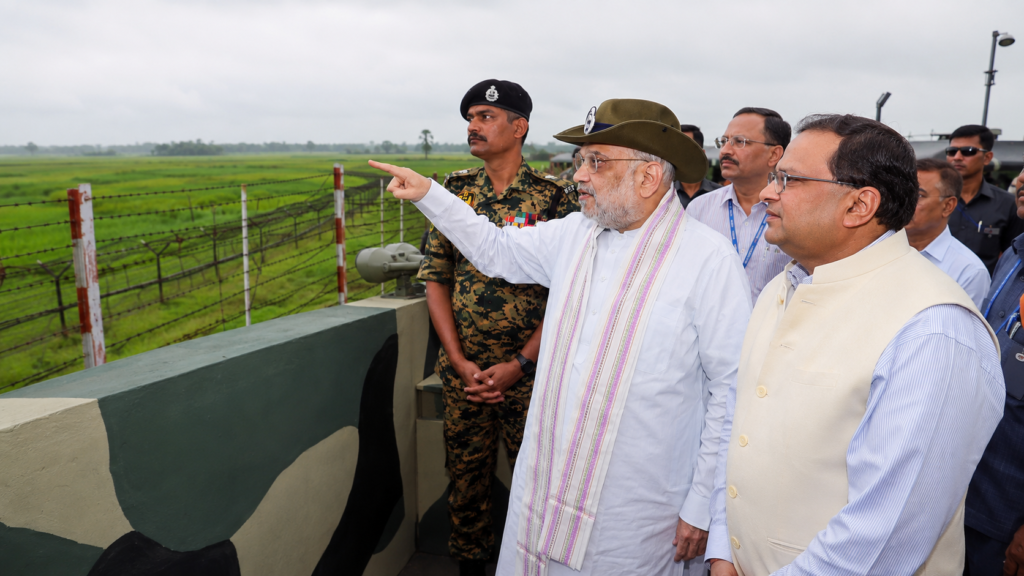
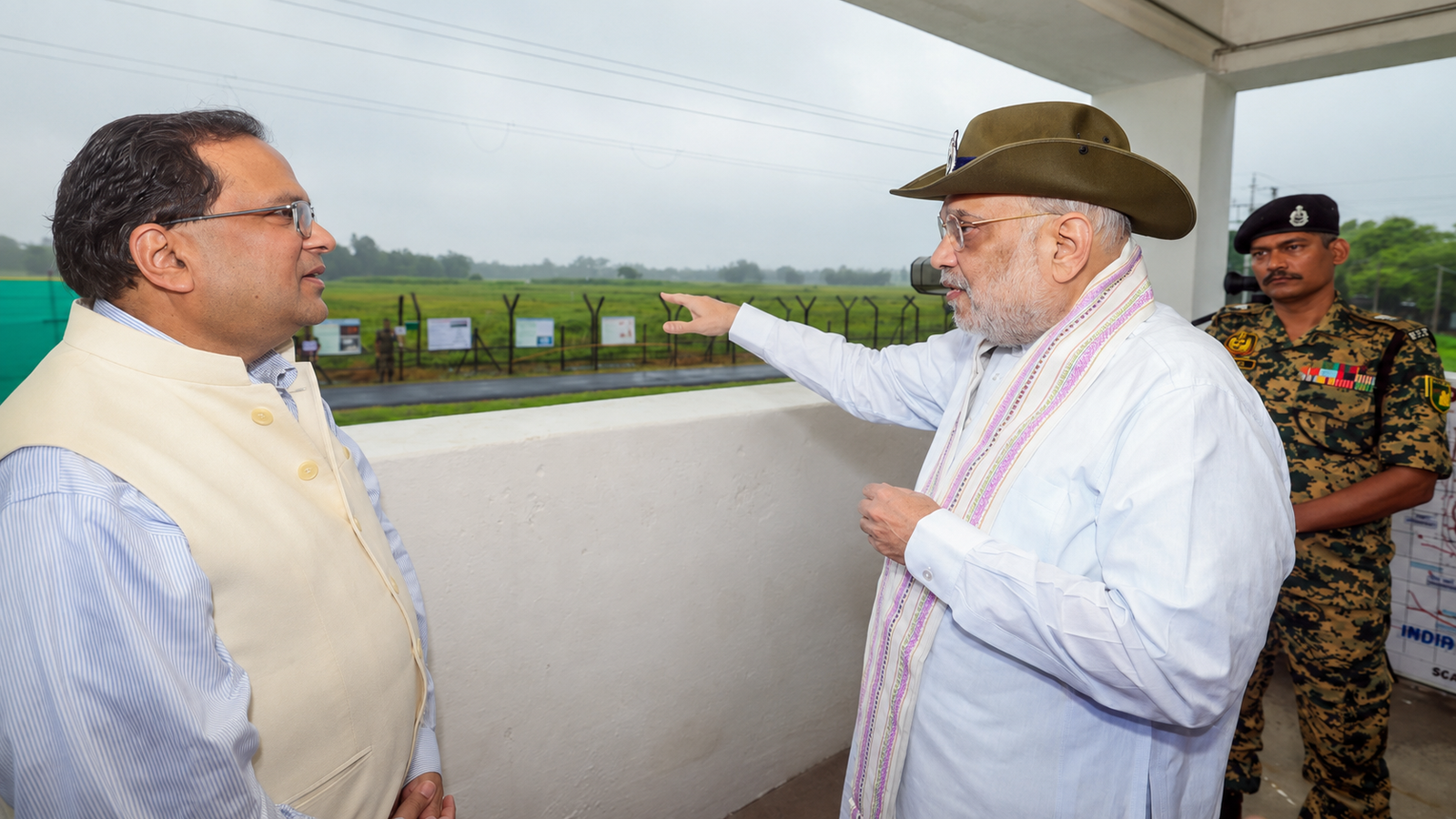
- Reviewing border security, law and order, and administrative preparedness during his visit to West Bengal, where he met security officials and reviewed border management measures.
- Participating in high-level government meetings on national issues, including discussions related to public administration and security.
- Addressing public meetings and emphasizing the vision of “Viksit Bharat” (Developed India), highlighting infrastructure development, economic growth, and national security.
- Supporting initiatives related to Artificial Intelligence, digital governance, and cooperative development, while encouraging technology-driven growth.
- Promoting reforms to improve the ease of living and ease of doing business through legislative and administrative initiatives.
Cabinet Minister
Shri Amit Shah has been serving as the Union Minister of Home Affairs since 2019 and has also been the first Union Minister of Cooperation since 2021. In these roles, he oversees key areas such as:
- Internal security
- Border management
- Counter-terrorism
- Disaster management
- Police modernization
- Centre-State coordination on internal security
- Strengthening India’s cooperative sector
His ministries are responsible for maintaining internal stability and implementing policies related to national security and cooperative institutions.
Role in Indian Politics
Amit Shah has been one of the principal architects of the BJP’s electoral growth over the past decade. Beginning his political journey through the Rashtriya Swayamsevak Sangh (RSS) and later joining the BJP, he held several organizational positions before becoming the party’s National President.
During his tenure as BJP President (2014–2020), the party expanded its presence across many Indian states and strengthened its grassroots organization. He is widely regarded as a key strategist behind several successful election campaigns.
Contribution to the Development of India
As a Cabinet Minister, Amit Shah has contributed to several areas of governance:
Strengthening Internal Security
His ministry has focused on improving coordination among security agencies, enhancing border management, and modernizing police infrastructure.
Cooperative Sector Reforms
As Minister of Cooperation, he has promoted reforms aimed at strengthening cooperative societies, improving transparency, encouraging digitalization, and supporting farmers and rural communities.
Administrative Reforms
He has encouraged the use of technology in governance, improved disaster response coordination, and supported initiatives for more efficient public administration.
National Development
He has consistently emphasized infrastructure development, rural development, digital governance, and strengthening institutions as part of the broader vision for a developed India.
Contribution to the Bharatiya Janata Party (BJP)
Shri Amit Shah is credited with transforming the BJP into one of the world’s largest political organizations through systematic organizational reforms.
His contributions include:
- Expanding the party’s membership base.
- Strengthening booth-level organization.
- Developing data-driven election strategies.
- Building a strong grassroots network.
- Improving coordination between party workers and leadership.
- Leading successful campaigns in parliamentary and state elections.
These organizational efforts significantly strengthened the BJP’s electoral presence across India.
Major Achievements
Among the achievements associated with Amit Shah’s public career are:
- Serving as India’s Union Home Minister since 2019.
- Becoming the country’s first Minister of Cooperation.
- Leading the BJP during a period of major organizational expansion.
- Promoting cooperative sector reforms.
- Advancing internal security and police modernization initiatives.
- Supporting legislative and administrative reforms aimed at improving governance and public service delivery.
Many of these initiatives are viewed positively by supporters, while some policies have also been subjects of public and political debate.
Why is Amit Shah Called the “Modern Yug Chanakya”?
The title “Modern Yug Chanakya” is widely used by supporters and many political commentators to describe Amit Shah’s strategic approach to politics. It is an honorific comparison with the ancient Indian strategist Chanakya (Kautilya) and is based on perceptions of his political skills rather than being an official title.
The comparison is commonly attributed to:
Political Strategy
He is known for carefully planned election strategies and long-term political planning.
Organizational Leadership
He strengthened the BJP’s grassroots organization through booth-level management and membership expansion.
Election Management
His detailed planning and campaign management have been associated with several electoral successes for the BJP.
Administrative Decision-Making
As Home Minister, he has overseen major decisions concerning internal security and governance.
Long-Term Vision
Supporters view his emphasis on organizational growth and institutional development as reflecting a long-term strategic outlook.
Because of these qualities, many admirers refer to him as the “Modern Yug Chanakya.” However, the comparison remains a matter of political opinion, and different observers may evaluate his leadership and legacy differently.