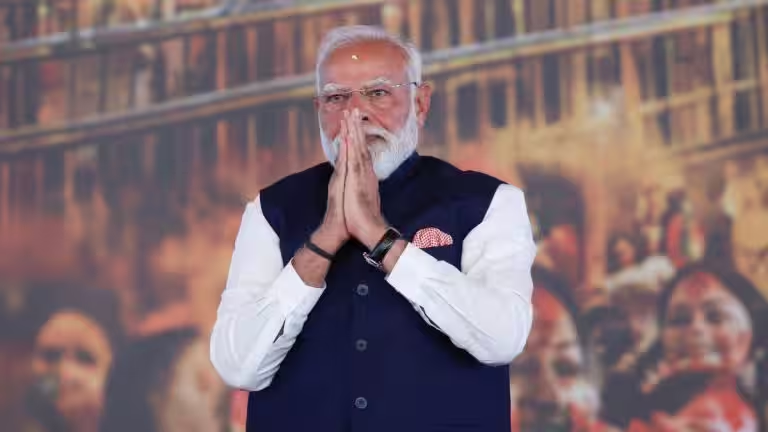

Prime Minister Narendra Modi once again demonstrated a rare example of emotional resilience and leadership when he shared a video message on Instagram on Friday, stating that he had forgiven the students who allegedly used abusive language against him during a recent protest at Delhi’s Jantar Mantar. Rather than demanding punishment, the Prime Minister appealed to society to guide the youth and help them learn from their mistakes.

In his message, Prime Minister Modi acknowledged that the abusive slogans directed at him and even at his late mother were deeply painful. Yet, instead of responding with anger or revenge, he emphasized that abuses never solve problems and that young people deserve an opportunity to understand, improve and contribute positively to the nation. His words reflected a philosophy of compassion over confrontation and guidance over condemnation.
Extraordinary Willpower Beyond Politics
The incident has been widely viewed by many supporters as an illustration of Prime Minister Modi’s exceptional willpower and mental strength. In public life, criticism and political opposition are common, but responding with restraint after personal attacks requires emotional discipline. His decision to forgive rather than retaliate portrays the qualities of patience, self-control and confidence that many associate with effective leadership.

Great leaders are often remembered not only for the decisions they make during victories but also for the dignity they display during moments of adversity. The Prime Minister’s message encouraged citizens to believe that reforming minds is more valuable than punishing individuals.
The Role of Devotion, Yoga and Meditation
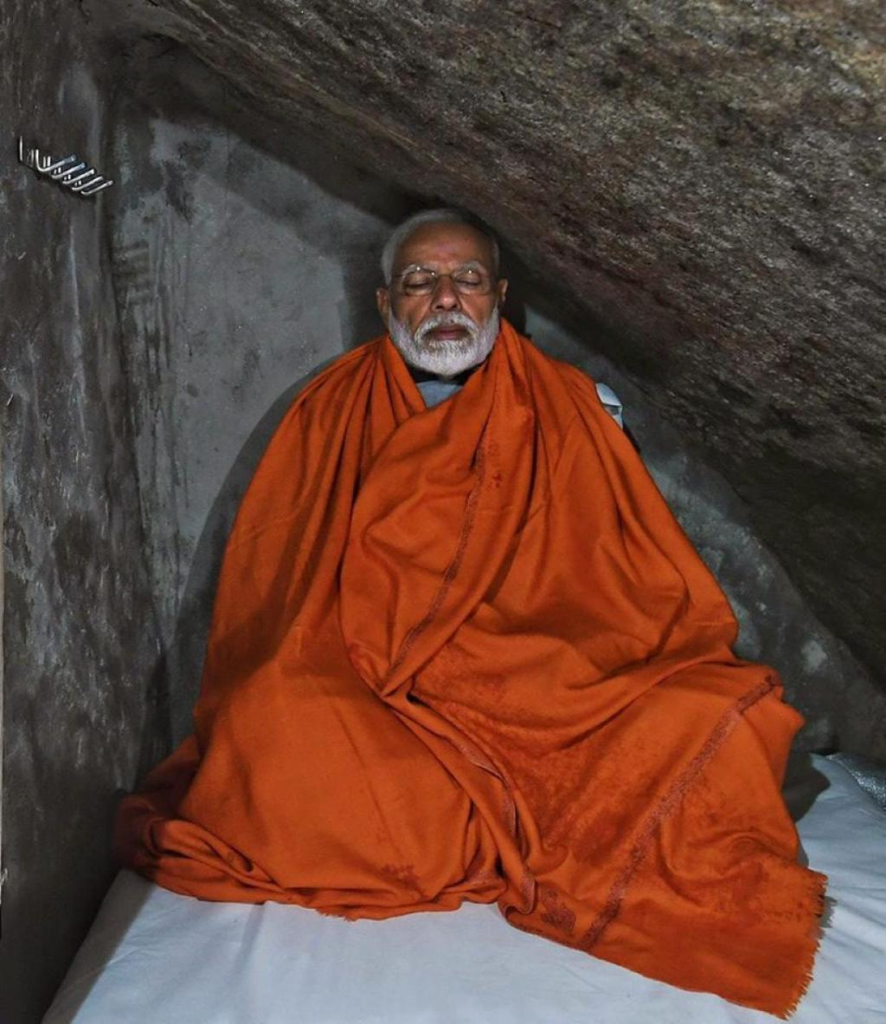
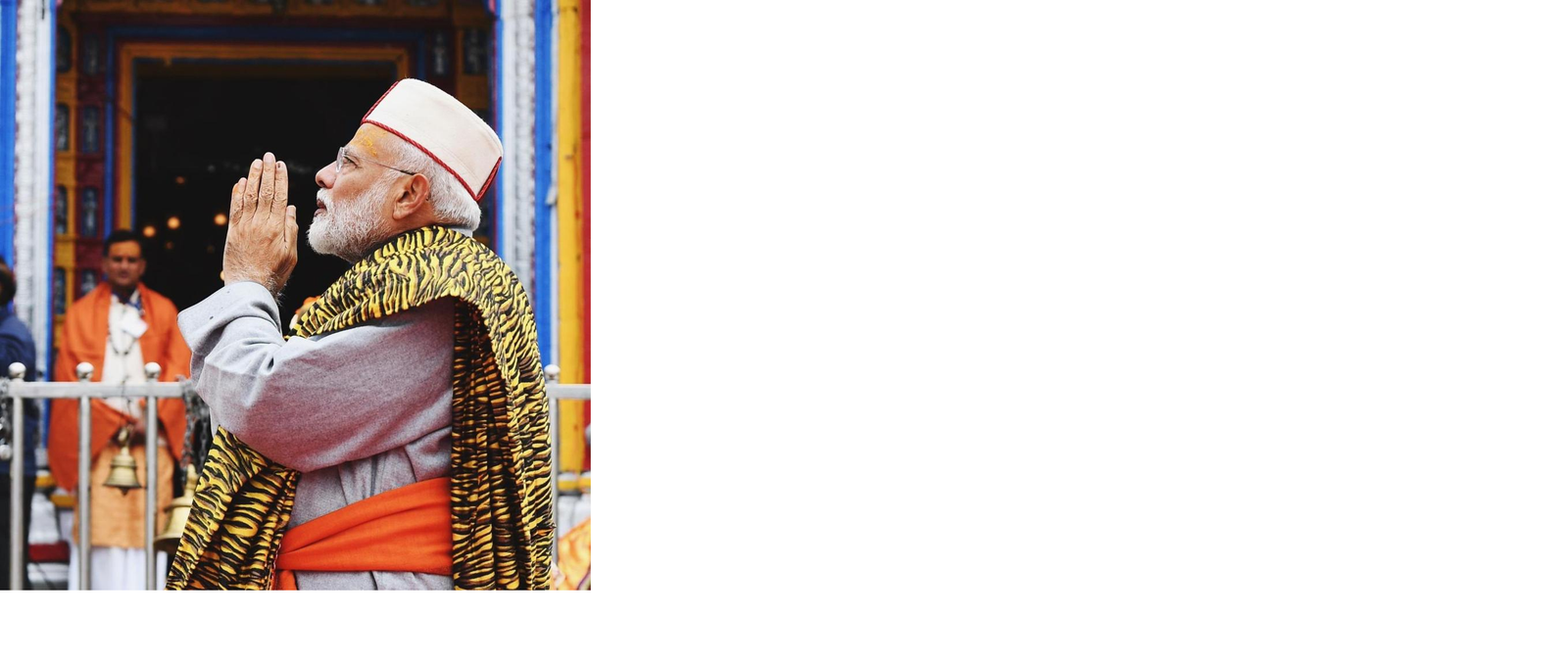
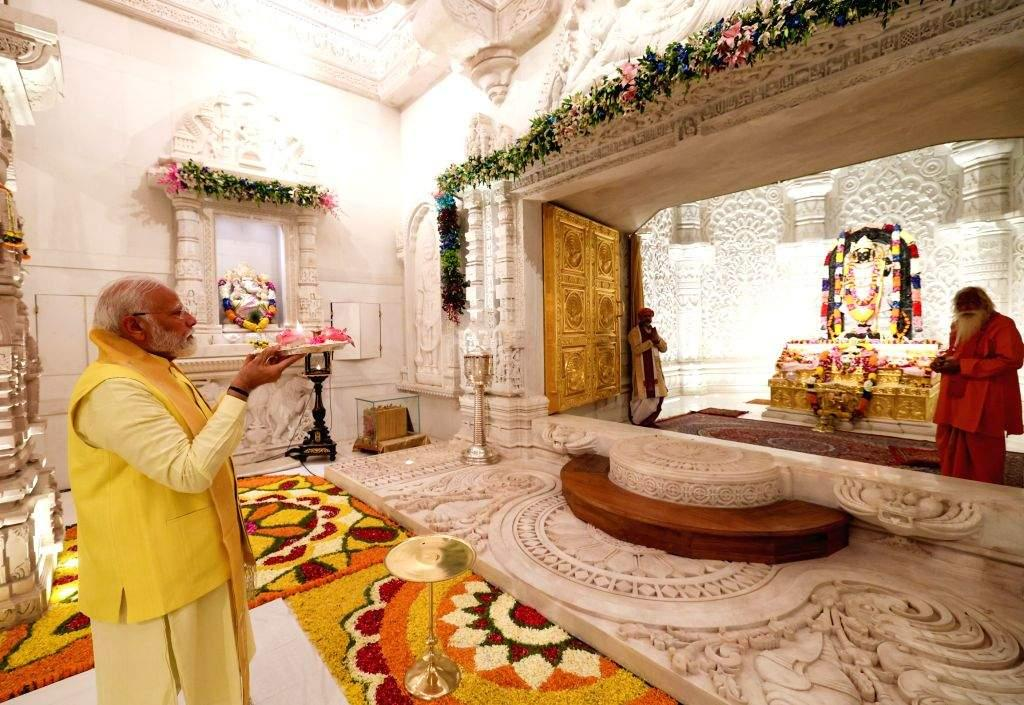
Prime Minister Modi has frequently spoken about the importance of spirituality, Yoga and meditation in maintaining inner balance. Over the years, his visits to the sacred Himalayas, particularly Kedarnath, and his meditation retreats have become symbolic of his spiritual discipline.

Meditation helps cultivate calmness, emotional stability and clarity of thought. Yoga strengthens both body and mind, while devotion inspires humility, service and compassion. These values appear to be reflected in his leadership style, where difficult situations are often addressed with patience rather than emotional reaction.
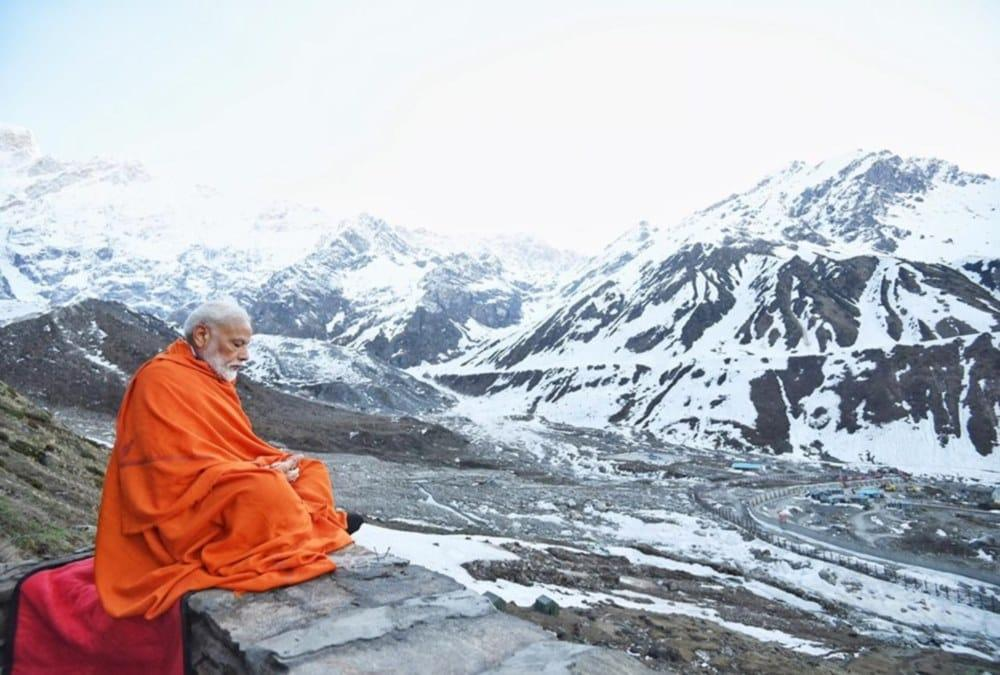
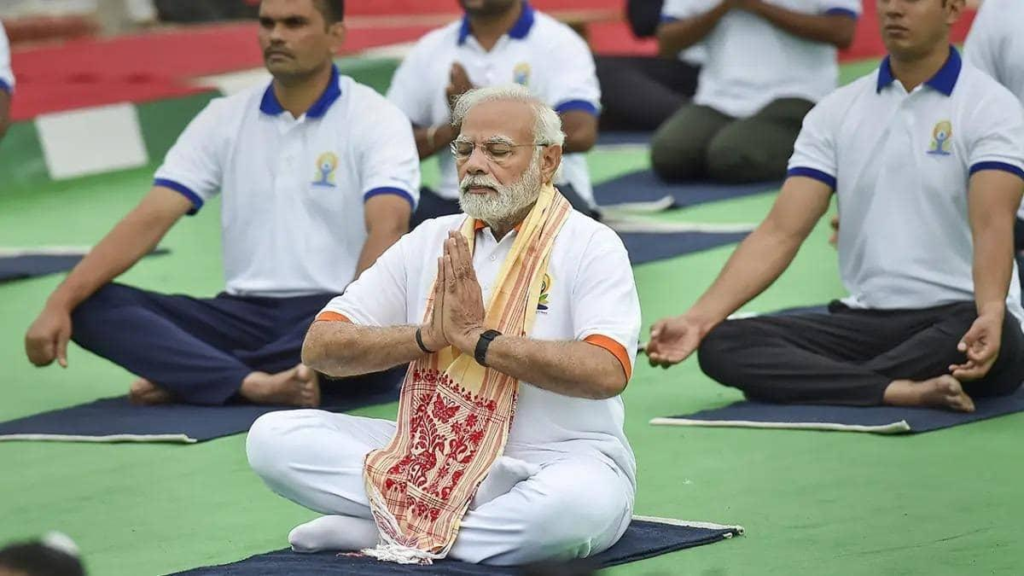
His regular participation in International Yoga Day celebrations has also encouraged millions of people in India and around the world to embrace Yoga as a way of achieving physical fitness, mental wellness and inner peace.
Leadership Rooted in Inner Strength
Many observers believe that Prime Minister Modi’s disciplined lifestyle—characterized by early rising, regular Yoga, meditation and spiritual reflection—has contributed significantly to his endurance during years of demanding public service.

His ability to remain focused under pressure, maintain long working hours and continue engaging with citizens reflects the importance of mental resilience in leadership. While political opinions about leaders naturally differ, qualities such as self-discipline, perseverance and emotional composure are widely recognized as valuable attributes in public life.
A Message Beyond Politics
The Prime Minister’s message also carried a broader social lesson: disagreements should not replace dialogue, and anger should not overshadow compassion. By choosing forgiveness over hostility, he called upon society to guide young people toward constructive participation rather than permanent condemnation.
Whether viewed from the perspective of leadership, spirituality or public service, the message highlighted the values of patience, resilience and hope—qualities that inspire many people to believe that true strength lies not merely in power, but in self-mastery.